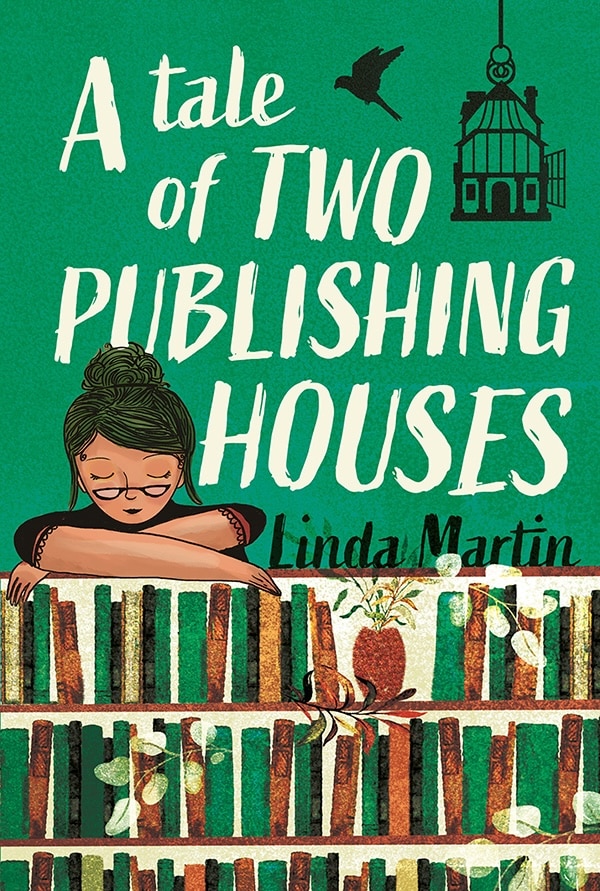
Linda Martin is the author of A Tale of Two Publishing Houses, a new read our book club members are enjoying. She took some time to answer a few questions for us, and you can get to know Linda here:
What do you know now that you didn’t before you began your book?
I now know that I really love writing. As an editor, I’d always stepped back from writing, thinking, “I’ll leave that to the writers”. But now I’ve experienced the joy in crafting a story, there might not be any stopping me!
I also know that I love having my work edited. The attention and care that Fremantle Press gave my manuscript was second to none.
What is the book you have read more often?
I have an appreciation and love for so many books and novels of all different genres and forms, and there are so many I’ve re-read. For my studies, I read Hilary McPhee’s Other People’s Words many times, learning about the establishment and demise of publishing house McPhee Gribble. It goes without saying that this book was very influential on A Tale of Two Publishing Houses.
When A S Byatt’s Possession came out in 1990, a scholarly romance and detective novel, I read it over and over again. This was the novel that got me interested in academic research. I have read First Nations writer Mabel Gibson’s micro memoir Crybaby at least a dozen times. Not only because I mentored Mabel, but also because her voice is so honest and her style so unique – it’s incredibly moving. Currently, I’m devouring anything written by Claire Keegan and other contemporary Irish writers.
What was your motivation for writing about the history of Fremantle Press?
I worked at Fremantle Press in the 1990s, and the experience I had there sparked a genuine passion for editing and publishing that has always stayed with me. I went on to become senior fiction editor at UWA Publishing and then co-established Night Parrot Press, but I have always remained grateful for my time at Fremantle Press.
I realised that I didn’t know the story of how Fremantle Press was established, and I didn’t know much about the people who were there at the beginning, who helped build the thriving publishing industry we have in Western Australia today. So, I wanted to interview people while I could and include their stories in the national cultural archives.
At what stage did it occur to you that you also wanted to tell the story of setting up your own publishing house (Night Parrot Press)?
I wrote the book as part of my PhD at Edith Cowan University. Initially, I was going to write a straightforward biography, but when researching and writing early drafts, the Fremantle Press establishment stories began to influence my day-to-day life in setting up Night Parrot Press with my editor friend, Laura Keenan.
Some of this contemporary experience began to slip into early drafts. My supervisors and peers really enjoyed the contemporary thread and encouraged me to write more of this. I first thought, ‘Why would you want to know about what I’m doing?’, but then saw the significance of the relationship between past and present. I loved weaving the two threads together.
What have you gained from setting up your own press?
Night Parrot Press publishes mostly new and emerging, diverse voices and mostly in the short forms of flash, micro and novella. I’ve gained a great deal of joy from mentoring writers, helping them to develop their work and then publishing it.
I’ve seen how having a story published for the first time can have a great impact on writers, boosting confidence and encouraging further writing pursuits. But I think the biggest gain is the wonderful writing community that Night Parrot Press has helped build, and then to watch writers go on to do bigger and better things, and often with larger publishers such as Fremantle Press, is incredibly rewarding.
What do you like doing most: editing, publishing or writing?
I keep asking myself this very same question, and I don’t have an answer. So I spend each day doing a little publishing for the thrill of helping new books come into the world, a little editing where I can dig deep into voice, story and language construction, and then a little writing where I can let my imagination fly.
Read more about A Tale of Two Publishing Houses.

Hi, I’m Anna the Editor of Beauty and Lace.