I Remember Everything by Fiona Wilkes is a painful, tender, honest and deeply emotional debut LGBT fiction novel about love, friendship, chosen family, memory and loss.
Trigger Warning: The novel contains confronting descriptions of illness and death, as well as themes of homophobia, transphobia, violence, and drug use.
Set largely in Bristol and London during the late 1970s and 1980s, the story follows Billie as she leaves behind a conservative upbringing and steps into her life as a young queer woman discovering who she truly is. At university in Bristol and later in London, she finds a diverse group of friends who become her chosen family. Together they party, argue, fall in love, make mistakes, support one another and build a world where they can exist freely until a mysterious illness begins to take hold.
When the HIV/AIDS epidemic was officially recognised in June 1981, fear and confusion swept through queer communities. With no treatments available and society responding with panic, stigma and discrimination, Billie watches helplessly as her friends become sick and, one by one, die.
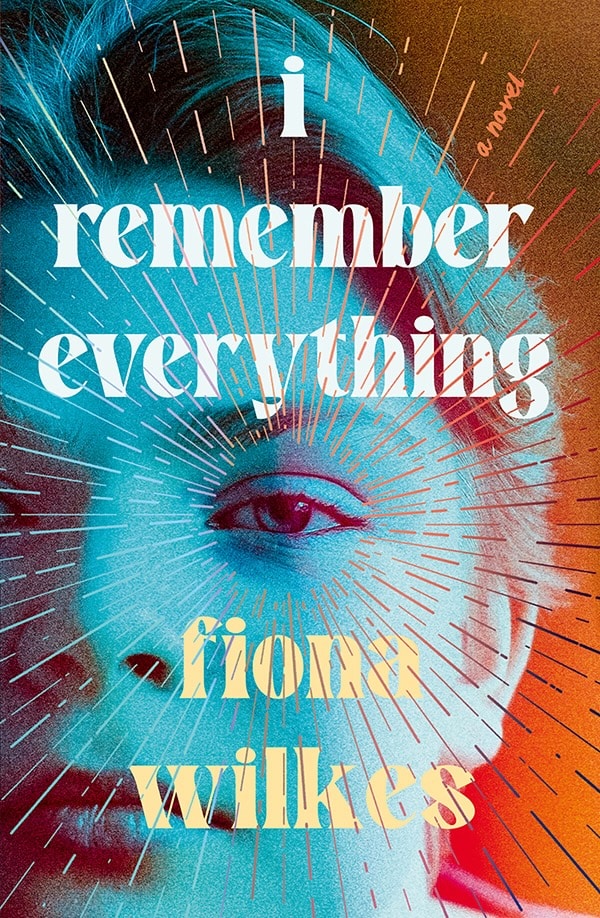
The narrative moves between Billie’s youth and her later life, where she attempts to put decades of memories into words. The contrast between the joy of queer liberation and the devastation that followed gives the novel its emotional weight.
Wilkes excels at creating deeply human characters. Billie, Laura, Robert, Ted, Dave, Aggie, Sasha and Tolstoy all feel fully realised, with dreams, flaws, ambitions and hope. I particularly enjoyed Billie and Laura’s relationship; Their bond begins as an intense childhood friendship and evolves into something more complicated and profound. It adds enormous emotional depth to the story and anchors Billie’s journey.
The book is beautifully written and emotionally immersive. I found myself deeply attached to Billie and her circle of friends, and I appreciated how Wilkes emphasises the importance of friendship as one of the novel’s greatest strengths. These characters were so much more than the illness that claimed so many of their lives.
Wilkes’ background as a researcher and educator is evident in her handling of the historical context. Her portrayal of the AIDS crisis is grounded in lived experience and community memory. The illness is depicted as frightening, messy, and confronting, yet the story never becomes solely about suffering. It honours joy, love, resilience and the everyday humanity of those who lived through the epidemic.
I Remember Everything is a powerful tribute to a generation of queer people and to the friendships and communities that carried one another through one of the darkest periods in LGBTQIA+ history. It is not simply a novel about AIDS; it is a story about how people lived, who they loved, and what it means to remember those who were lost.
This novel lingers long after the final page. I finished it feeling immense sadness for the lives cut short, but also gratitude for the reminder that remembering someone is a way of keeping them alive. For readers who weren’t alive during the height of the AIDS epidemic, it offers a vital and compassionate window into what that era meant for queer communities.
I highly recommend it to readers who enjoy character-driven stories exploring friendship, love and loss.
A selection of our Beauty and Lace Club members are reading I Remember Everything by Fiona Wilkes. You can read their comments below, or add your own review.

My love of books started at a very young age. My mum has always been a reader and encouraged me to read, buying me endless book from classic fairy tales advancing to the world of Enid Blyton, CS Lewis, Louisa May Alcott, Kathryn Kenny, Carolyn Keene, Francine Pascal. In my adult years the list of authors is endless and every room in my house is filled with books.
One of my favourite novels is Narnia which has always has a special place in my heart. I was diagnosed with Type 1 Diabetes in 1978 and when I was given this book to read it let me escape to another world where I felt like I was in the book with all the characters, it wasfun and exciting to escape from reality and eased the ups and downs of the disease at such a young age.
In books nothing is impossible and there is endless potential and hundreds of places to explore or being taken to places that are only made up from the authors’ great minds, the past and future to navigate, characters lives you step into taking you on an emotional rollercoaster ride or being scared out of your wits. I can experience things that I can’t in real life because they’re not possible or real. It challenges my perspective and mindset expanding my worldview.
I find joy, comfort and peace with books, many people may not get it, but I know bookworms like me truly understand. Reading makes my heart happy.