Fiona Wilkes is the author of one of our upcoming book club reads, I Remember Everything. She took some time to answer our author questions, so before we read the book, let’s get to know her better:
What aspect of your book do you think will generate the most book club conversation?
I hope the book will encourage folks of all backgrounds to do some further reading into queer history and to read more queer stories (written by queer people!) I also hope it will encourage people to get involved with advocacy and activism. The discrimination in this book is not a thing of the past. LGBTQIA+ folk need allies.
People who have read the book often say to me, ‘I had no idea that this happened’ or ‘It was so much worse than I knew’, and that is meaningful to me. It is often said that knowledge is power, but I think memory is even more powerful. I hope that people will start to learn these stories and keep them close.
Remember those that we have lost and protect those that we still have.
Which of your characters would you least like to be stuck in a lift with?
Mr James, that slimeball!
Which of your characters would you like to invite to a dinner party?
Robert. Mostly because I don’t particularly enjoy dinner parties and I think he’d be my best bet at getting everyone up and dancing instead of being stuck at the table.
What is the book you have read most often?
I have read Donna Tartt’s The Secret History every winter for the past five or six years. She is a master of character, and I always take something new away from her writing.
What was your motivation for writing I Remember Everything, and what was the inspiring spark?
I was becoming increasingly aware of how many people in my generation, queer and otherwise, did not know much about the HIV/AIDS crisis. It is such a major part of our history and our inheritance as queer people, and I felt it should be remembered by the next generation.
Similarly, I learned that the reason the L comes at the beginning of the acronym LGBTQIA+ is because of the efforts of lesbians and other queer women during the dark days of the epidemic to look after those who were dying. I wanted to know more about their stories. When we do hear about the HIV/AIDS epidemic, usually we hear the stories of those who passed away, which is of course incredibly important, but I also wanted to know about those who fought for their friends and were left behind. How do you go on after such a devastating loss? I wanted to explore that, and thus Billie and her friends were born!
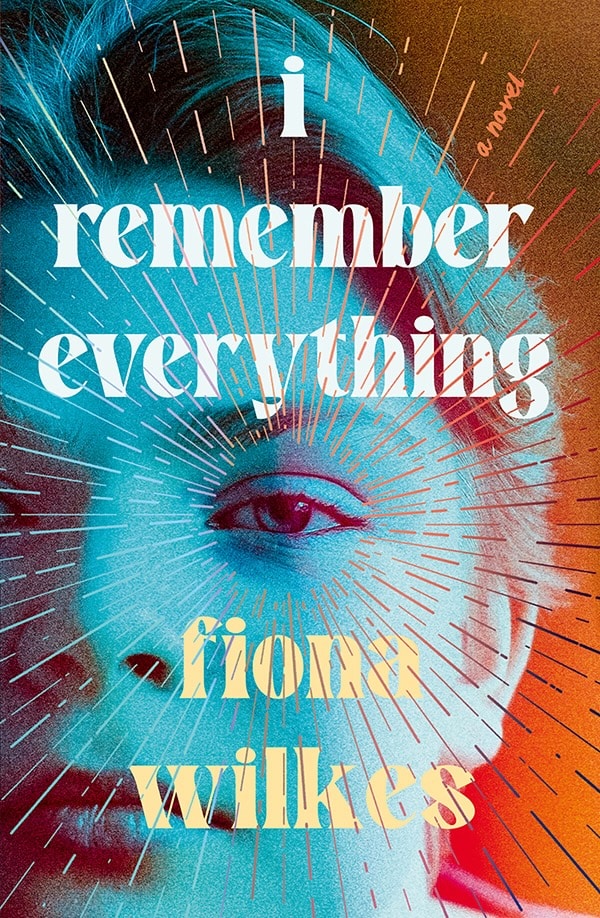
Are the characters in your novel based on people that you know?
Much of the novel is based on my experiences of being friends with other queer folk and how intense and dynamic those friendships often are, but the characters themselves are not based on anybody specific. And thank god, because I would have had a tricky time fielding so many people asking why I killed them off in my book!
Did you find it harrowing to have to put Billie through so much?
Yes and no. Of course I care for Billie, and it would have been nice to give her a life that was more gentle than the one she has, but that would have felt disingenuous (and probably would have made for quite a boring read!) This book is about community; it is about loss and love and survival.
Billie does not go through anything that countless others have gone through. It is what she does with those experiences that is so important. Billie has to endure and survive because she is the link to the next generation of queer folks in the book. She is the hope in what is otherwise a major tragedy.

Hi, I’m Anna the Editor of Beauty and Lace.